time does web VAPT require
The time required for web VAPT depends on several factors, including the size of the application, complexity of features, number of pages, security requirements, and the depth of testing required. Organizations often want to understand the expected duration before starting a security assessment because proper planning helps reduce operational disruptions and ensures that testing activities are completed effectively. While smaller applications may require only a few days, larger and more complex systems may need several weeks for a complete evaluation.
The scope of the assessment is one of the most important factors that determines the timeline of web VAPT. A basic assessment of a small web application with limited functionality may be completed quickly because there are fewer components to analyze. On the other hand, applications with multiple user roles, complex workflows, large databases, and several integrations require more time for detailed testing. A web application vulnerability assessment & penetration test is designed according to the application’s specific environment, which means the duration varies depending on the level of coverage required.
The size and complexity of the web application directly influence the amount of testing effort needed. Applications with a small number of pages and simple features are generally easier to assess because security professionals have fewer areas to examine. Large enterprise applications may contain hundreds of pages, APIs, user access levels, and business processes that require extensive evaluation. Testers need sufficient time to analyze each component carefully and ensure that important vulnerabilities are not missed.
The type of testing approach used also affects the overall timeline. Automated security scans can quickly identify common vulnerabilities and configuration issues, but they cannot replace manual security analysis. Manual testing requires skilled professionals to examine application logic, authentication processes, access controls, and complex vulnerabilities. A detailed assessment that combines automated tools with manual techniques usually requires more time but provides more accurate and valuable results.
The preparation phase before testing begins can also impact the schedule. Security teams usually need information about the application architecture, testing environment, user roles, access details, and business requirements. Clear communication between the organization and the testing team helps avoid delays. When necessary information is available at the beginning of the project, security professionals can start testing efficiently and complete the assessment within the planned timeframe.
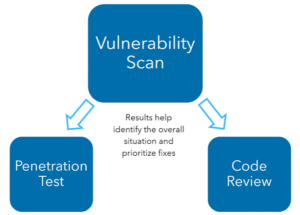
How much time does web VAPT require?
The number of security areas being evaluated also affects the duration of testing. A comprehensive assessment may include checks for authentication weaknesses, authorization issues, input validation problems, session management flaws, data exposure risks, API security concerns, and server configuration weaknesses. Each area requires careful analysis to confirm whether vulnerabilities exist and determine their potential impact. More extensive testing naturally requires additional time.
The experience and expertise of the security testing team also play an important role in completing assessments efficiently. Skilled security professionals can identify complex vulnerabilities more effectively because they understand common attack techniques and application behavior. However, thorough testing should not be rushed, as accuracy is more important than speed. The goal is to identify meaningful risks and provide reliable recommendations rather than simply completing testing quickly.
Communication during the assessment process can influence the timeline as well. Security teams may need clarification about application functionality, business processes, or technical configurations. Quick responses from the organization help testers continue their work without unnecessary interruptions. Regular updates between stakeholders ensure that testing progress remains aligned with business expectations.
After the technical testing phase, additional time is required for analysis and reporting. Security professionals review findings, confirm vulnerabilities, assign risk ratings, and prepare detailed documentation. The final report explains discovered issues, supporting evidence, potential impact, and recommended remediation steps. A high-quality report requires careful preparation because it serves as a guide for improving application security.
Retesting after vulnerability fixes may also extend the overall timeline. Once organizations address identified weaknesses, security teams often perform validation testing to confirm that the issues have been properly resolved. This additional step ensures that vulnerabilities are no longer exploitable and that security improvements are effective.
For many small and medium-sized applications, web VAPT may take several days to complete, while larger applications can require multiple weeks depending on complexity and scope. The timeline should always be determined based on the specific requirements of the application rather than using a fixed schedule. Rushing an assessment may result in overlooked vulnerabilities, while allowing adequate time ensures better security coverage.
A properly planned web VAPT process helps organizations achieve a balance between efficiency and accuracy. By considering application size, testing scope, security requirements, and available resources, businesses can estimate the required time more effectively. A complete assessment provides valuable insights into security weaknesses and helps organizations strengthen their applications against potential cyber threats. Investing sufficient time in security testing ultimately supports better protection, improved reliability, and greater confidence among users and stakeholders.